
Hungarian Successes in Space Exploration
From the Tungsram Moon Radar Measurements to the Present Day
Copyright (c) 2026 Lányi Aladár, Balajti István

This work is licensed under a Creative Commons Attribution-NonCommercial-NoDerivatives 4.0 International License.
Abstract
Getting us to participate as effectively as possible in space-related economic activities is a challenge
for the present and the near future. The war raging in our neighbourhood once again highlights
the scarcity of exploiting scientific results based on military applications. Hungarian radio
electronics during the Second World War, e.g. radio tube production and their applications in the
development and deployment of various types of radios, electronics, devices and radars such as
the SAS, Borbala and Turul, were based on the military operational and technical requirements
of the Military Institute of Technology (HTI). All our technical achievements are based on the
intellectual potential of our world-class secondary and university education issued in 1920s by
Kunó Klebelsberg. Today, as 80 years ago, our potential is largely determined by the Hungarian
linguistic environment and our historical achievements in the field of engineering. By assessing
these, we can explore and assess the industrial and technical background of our predecessors,
the directions in which they were successful and how this was received in the international
environment. Since the Tungsram Moon radar measurements led by Zoltán Bay represent
a milestone in this process, the space-related aspects of the then and recent successes will be
reviewed, highlighting the messages for today.
Keywords:
How to Cite
References
[1] E. Kollár, „Virtuális Rádiómúzeum.” Online: https://www.radiomuseum.hu/index.html
[2] N. Wassits, A Magyar Radar 1943–1946. Békéscsaba, Typografika, 2011.
[3] T. Prokob, T. Búza, „A Föld–Hold távolság megmérése. Az 1946-os Hold-reflexiós kísérlet megismétlése mai eszközökkel,” Haditechnikai Intézet. Online: https://haditechnikaiintezet.hu/prokob-tibor-buza-tibor-fold-hold-tavolsag-megmerese
[4] I. Balajti, F. Hajdú, „Surprising Findings from the Hungarian Radar Developments in the Era of the Second World War,” Radio Science Bulletin, 358, pp. 82–108. 2016.
[5] F. Hajdú, G. Sárhidai, A Magyar Királyi Honvéd, Haditechnikai Intézettől a HM Technológiai Hivatalig, 1920–2005. HM Technológiai Hivatal, 2005.
[6] I. Balajti, A radar. Haditechnika Fiataloknak sorozat. Budapest, Zrínyi, 2021.
[7] „Project Diana Radar Reaches the Moon”, Online: https://www.projectdiana-eme.com/
[8] W. Stepp, „The First Reception of EME Echo in 1944”. Online: https://www.ok2kkw.com/eme1960/eme1960eng.htm
[9] P. Novoszath, „75 éve végezte Bay Zoltán holdradarkísérletét – a magyar űrtevékenység kezdetei és jelene,” Repüléstudományi Közlemények, 33. évf. 3. sz. 25–41. 2021. Online: https://doi.org/10.32560/rk.2021.3.2
[10] J. Bauer, „The 75th Anniversary of Zoltán Bay's World Famous Moon Radar Experiment”, YouTube, 2021. Online: https://www.youtube.com/watch?v=2Ffxz7m39EM
[11] „Gábor Dénes élete és munkássága,” Gábor Dénes-díjasok Klubja Egyesület. Online: https://gabordenesklub.hu/gabor-denes-elete-es-munkassaga/
[12] „Kármán Tódor”, in Magyar életrajzi lexikon. Online: https://www.arcanum.com/hu/online-kiadvanyok/Lexikonok-magyar-eletrajzi-lexikon-7428D/k-760F2/karman-todor-7620B/
[13] V. Kučera, „Rudolf E. Kalman: Life and Works”, IFAC-PapersOnLine, 50. évf. 1. sz. pp. 631–636. 2017. Online: https://doi.org/10.1016/j.ifacol.2017.08.070
[14] „Neumann János életrajza,” Neumann János Számítógéptudományi Társaság. Online: https://njszt.hu/hu/page/neumann-janos-eletrajza
[15] „Krausz Ferenc”, Wikipédia. Online: https://hu.wikipedia.org/wiki/Krausz_Ferenc
[16] „Borbély Samu”, Akadémikusok A Magyar Tudományos Akadémia tagjai. Online: https://akademikus.mtak.hu/adatlap/borbely-samu/
[17] „Űrkutatás Rákosligeten”. Online: https://rakosliget.hu/html/urkutatas.html
[18] I. Apáthy, „A magyar űrkutatás története 1992-ig.” Online: http://hso.hu/page.php?page=287
[19] „Pille dózismérő. A legsikeresebb magyar űreszköz”, Atomenergetikai Múzeum, Online: https://muzeum.atomeromu.hu/hu-HU/Muzeum/Meselo_mutargyak/Archiv/Pille
[20] S. György, „Egy magyar úr az űrből”, Online: https://ntf.hu/index.php/2017/06/03/egy-magyar-ur-az-urbol-37-eve-jart-farkas-bertalan-a-kozmoszban/
[21] „A NASA teszteli a miskolci űrkemencét”, Online: https://www.vg.hu/vilaggazdasag-magyar-gazdasag/2000/10/a-nasa-teszteli-a-miskolci-urkemencet#google_vignette
[22] Magyar Természettudományi Múzeum. Online: https://m.blog.hu/mt/mttmuzeum/image/2022/asvanytar/umc_mt_combo_at_admatis_lab.JPG
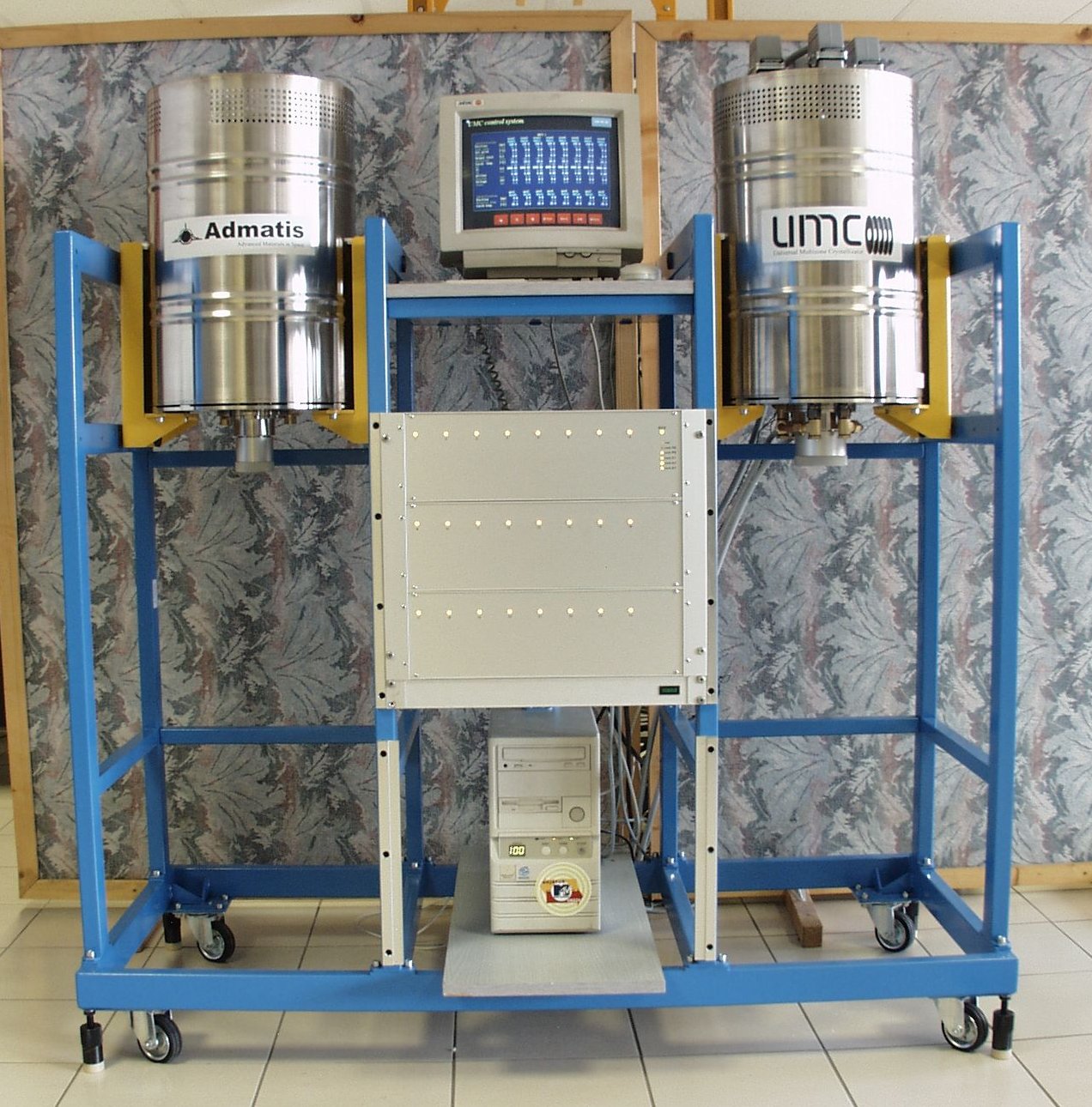
[23] HUNITY Műhold adatok. Online: https://gnd.bme.hu/hunity
[24] L. Szilvássy, I. Balajti, „Assessments on Drone and Hypersonic Weapons Surveillance Challenges and their Solutions”
[25] „Charles Simonyi”, Wikipedia. Online: https://en.wikipedia.org/wiki/Charles_Simonyi
[26] „Role of Future Hungarian Astronaut in Space Outlined, Hype&Hyper 4 04 2023”, Online: https://hypeandhyper.com/role-of-future-hungarian-astronaut-in-space-outlined/
[27] I. Balajti, „Gondolatok az Education 5.0 alapú hadmérnökképzés szükségessége és megvalósításának elvárásai témakörben: Hogyan képezzünk Ipar 5.0 környezetbe integrált Dobó Istvánokat és Bornemissza Gergelyeket?” in Szemelvények a katonai műszaki tudományok eredményeiből IV. Gőcze I., Padányi J. szerk. Budapest, Ludovika, 2025. pp. 7–32. Online: https://doi.org/10.36250/01323_01
[28] Magyar Rádióamatőr Szövetség (MRASZ). Online: https://mrasz.hu/